World AIDS Day 2024: Equalizing Efforts to End AIDS
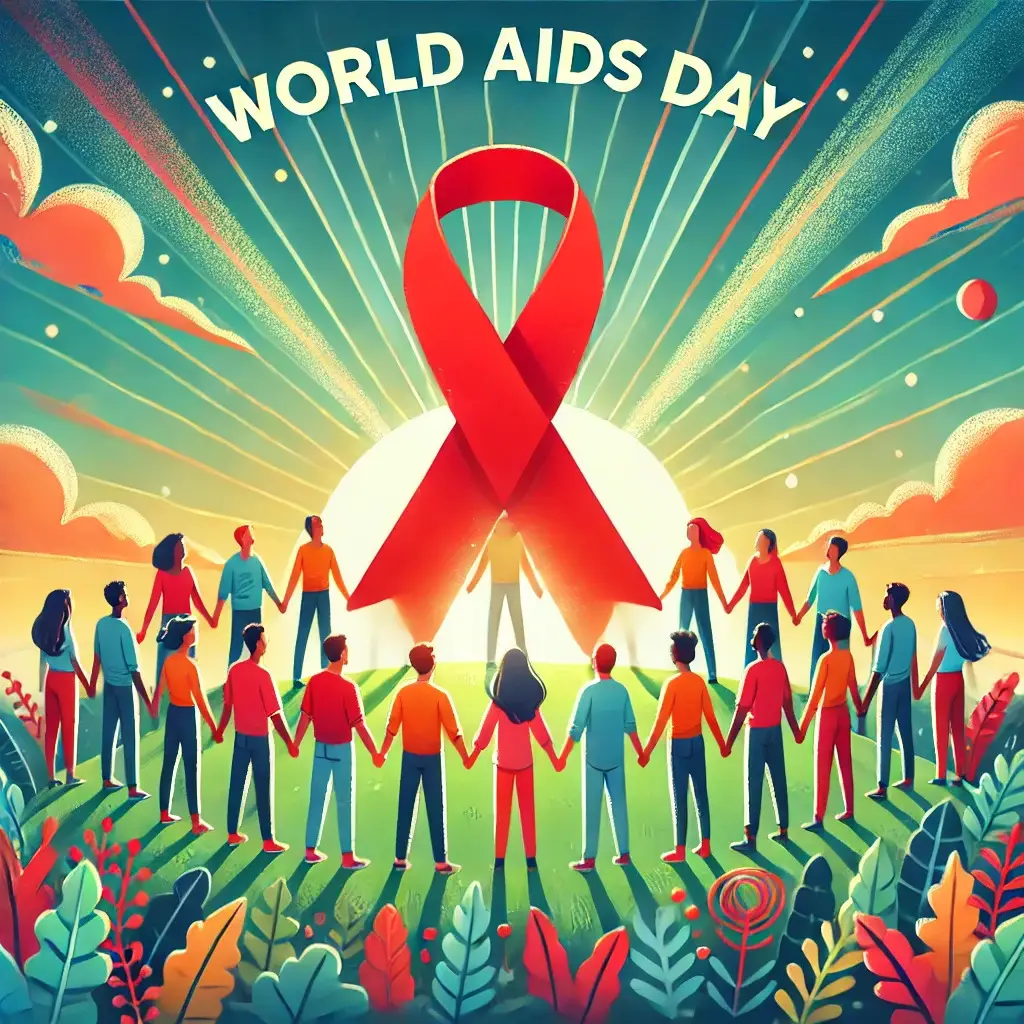
Every year on December 1, the world comes together to observe World AIDS Day, a powerful reminder of the ongoing battle against HIV/AIDS. In 2024, the theme, “Equalize to End AIDS”, underscores the critical importance of addressing the inequalities that hinder progress toward eradicating this epidemic. By focusing on equitable access to healthcare, breaking down stigmas, and fostering global unity, this year’s theme calls for comprehensive action to secure a future free from AIDS.

Tackling Inequalities: A Path to 2030 Targets

The World Health Organization (WHO) has long emphasized that combating HIV/AIDS requires dismantling systemic barriers to healthcare access. Vulnerable and marginalized populations—such as those living in poverty, LGBTQ+ individuals, and people in rural or conflict-stricken regions—bear the brunt of the epidemic. These groups often face stigma, discrimination, and logistical hurdles that prevent them from accessing life-saving treatments and preventive care.

The global goal of ending AIDS by 2030, set under the Sustainable Development Goals, hinges on tackling these disparities head-on. As of now, progress is promising but uneven. According to WHO, advancements in antiretroviral therapy (ART) have transformed HIV into a manageable chronic condition for millions worldwide. However, in many low- and middle-income countries, access to such treatments remains limited, leaving millions without the care they need.

Equalizing healthcare means ensuring that everyone, regardless of where they live or who they are, can benefit from the advancements in HIV treatment, prevention, and care. This includes strengthening health systems, increasing funding for HIV programs, and integrating HIV services into broader health initiatives.

World AIDS Day: Raising Awareness and Mobilizing Action

World AIDS Day is not only a moment of reflection but also a global rallying cry for awareness and advocacy. Initiated in 1988, it has grown into a platform for driving public health campaigns, encouraging policy changes, and fostering solidarity with those affected by HIV/AIDS.

The day highlights the progress made in fighting the epidemic while focusing attention on the work that remains. The stigma surrounding HIV/AIDS remains a significant challenge, particularly in conservative societies where misinformation and prejudice are deeply entrenched. The ripple effects of this stigma are profound: it discourages people from seeking testing or treatment and isolates those living with HIV from their communities.

This year’s theme underscores the need to “equalize” not only in terms of access to healthcare but also in societal attitudes. Breaking the stigma associated with HIV/AIDS requires informed conversations, media campaigns, and education programs that challenge stereotypes and foster empathy.

Myths and Misunderstandings: Breaking Barriers Through Education

One of the key barriers in the fight against HIV/AIDS is widespread misinformation. HIV and AIDS are not synonymous. HIV is the virus that can lead to AIDS if left untreated. Thanks to advancements in medical research, particularly the development of ART, many people living with HIV can now lead long, healthy lives without ever developing AIDS.

Public education plays a crucial role in dismantling these myths. Schools, workplaces, and community centers should prioritize HIV/AIDS awareness campaigns to combat misinformation and reduce discrimination. Accurate information empowers individuals to take proactive steps, such as getting tested regularly and using preventive methods like condoms or pre-exposure prophylaxis (PrEP).

Incorporating HIV education into broader health awareness campaigns also reduces stigma. When HIV is treated like any other medical condition, it normalizes seeking treatment and encourages affected individuals to prioritize their health without fear of judgment.

Advancements in Treatment and Care

The medical strides made in the fight against HIV/AIDS are remarkable. Antiretroviral therapy, for example, has revolutionized HIV care, turning what was once a death sentence into a manageable condition. These medications suppress the virus to undetectable levels in the bloodstream, not only preserving the health of those living with HIV but also preventing its transmission to others.

However, access to these treatments is still a privilege rather than a right in many parts of the world. Countries with fragile healthcare infrastructures face challenges in distributing ART, while high treatment costs often put these life-saving drugs out of reach for the poorest communities. The global health community must prioritize affordability and availability to ensure no one is left behind.

The Importance of Community Support

Community-based initiatives are crucial in the fight against HIV/AIDS. Grassroots organizations often have a better understanding of local challenges and can implement targeted interventions. For example, outreach programs can provide mobile testing units, ensuring access to remote communities, or train peer educators to spread awareness and encourage testing among marginalized groups.

Communities also play a vital role in combating stigma. Support groups for people living with HIV provide a safe space to share experiences and foster solidarity, reducing feelings of isolation. By amplifying the voices of those directly affected by HIV/AIDS, these initiatives can humanize the epidemic and inspire collective action.

A Call to Action

As we observe World AIDS Day 2024, it is clear that while progress has been made, the fight against HIV/AIDS is far from over. This year’s theme, “Equalize to End AIDS,” is a call to governments, organizations, and individuals to act with urgency and compassion.

Governments must prioritize funding for HIV/AIDS programs and integrate them into national healthcare systems. Educational institutions and media platforms should amplify accurate information to combat stigma and promote testing. Meanwhile, individuals can play their part by spreading awareness, supporting local initiatives, and advocating for policies that ensure healthcare equity.

Towards a World Without AIDS

World AIDS Day reminds us of the remarkable achievements in the fight against HIV/AIDS and the work that still lies ahead. The vision of a world without AIDS is within reach, but only if we address the inequalities that stand in our way.

By uniting under the theme “Equalize to End AIDS,” we reaffirm our commitment to a future where healthcare is a right for all, not a privilege for the few. This December 1, let us remember those we have lost, support those living with HIV, and take action to ensure that no one is left behind in this fight. Together, we can turn the tide against HIV/AIDS and create a healthier, more equitable world.

Tags

#healthyfood#healthylifestyleAdaptive Health SystemsAdvanced Drug Developmentadventureadventure sportsadventure trainingAIIMSAIIMS DelhiAir PollutionAlzheimer'sAmazon rainforest lossAmazon SummitAMRAntarctic Ice SheetantibioticAntibiotic ResistanceAntiretroviral TherapyAnxietyApollo Hospitalsarmy veteransAustralia Heat RecordsAwareness CampaignsAzerbaijan Climate SummitBaku AzerbaijanBaku COP29 HighlightsBaku to Belém RoadmapBalanced DietBelBelemBelém Gender Action PlanBengaluru Water CrisisBihar ElectionsBiodiversityBlood cancerBlood cancer awarenessBlood cancer cureBlood cancer preventionBlood cancer symptomsBlood cancer treatmentBlood DisordersBone HealthBrain HealthBreaking BarriersBreaking StigmaBreast CancerBreastfeedingBuilding DesignCambridge University StudyCancerCarbon BondCarbon CreditCarbon EmissionCarbon EmissionsCardiovascular DiseaseCardiovascular DiseasesCentre for Science and EnvironmentChampions TrophyChemotherapyChikungunyaChikungunya PreventionChikungunya SymptomsChikungunya TreatmentChildhood ObesityChildhood WellnessChronic DiseasesChronic illnessCimate changeClean Energy TransitionClimateClimate ActionClimate Action For HealthClimate AdaptationClimate AgreementClimate and Public HealthClimate AwarenessClimate BondClimate ChangeClimate Change And HealthClimate change and sleepClimate Change IndiaClimate Change Policy And HealthClimate CrisisClimate FinanceClimate JusticeClimate ResilienceClimate Resilient Health SystemsClimate Science ExplainedClimate ShocksClimate Summit 2024Climate-Health FinancingClimate-Health Success StoriesclimbingClinical BreakthroughCloudburst UttarakhandCommunity HealthCommunity SupportCongoCOP 29COP 30COP Presidencies Continuity CoalitionCOP29COP29 SummitCOP30COP30 PreparationCoronavirusCOVIDCOVID 19Covid symptomsCricketCricket EnglandCultural NormsDeadly heatDeforestationDelhi FloodsDelhi HeatDelhi PollutionDelhi RainDelhi SummerDementiaDementia RiskDengueDengue PreventionDengue SymptomsDengue TreatmentDepressionDeveloped vs Developing Nations ClimateDeveloping CountriesDeveloping NationsDharali Cloud BurstDharali DisasterDiabetesDiabetes AwarenessDiabetes In IndiaDiabetes PreventionDisabilityDisplaced PopulationsDonald TrumpDr Rajat MohanDr Santosh interviewDr Sivaranjani Santoshe-cigaretteE-wasteEco-AnxietyEducation In IndiaEl Nino 2023 2024Elevated Lipoprotein(a)Eli LillyEmission ReductionsEnding AIDS by 2030Environmental Challengesenvironmental crisisEnvironmental DegradationEnvironmental JusticeEnvironmental LawEnvironmental newsEnvironmental RiskEPLEqual Healthcare Access.Equalize to End AIDSEverestExcessive RainfallexpeditionExtreme Heatextreme sportsExtreme WeatherExtreme Weather 2024Extreme Weather IndiaFarmingFatty LiverFIFA World Cup 2026Fishing CommunitiesFitness GoalsFlash FloodsFloodsFood HabitsFood InsecurityFood SecurityFootballforest loss impactsFossil FuelFSSAIFuture Of WomenFuturistic LaboratoryGangaram HospitalGender EqualityGender InequalityGender JusticeGhazipur landfillGirls EducationGlobal Climate PoliciesGlobal Climate-Health StrategiesGlobal EmissionsGlobal HealthGlobal InitiativesGlobal Medical ProgressGlobal smoking ratesGlobal SouthGlobal WarmingGlobal Warming EffectsGlobal warming health effectsGLP1 DrugsGovernment ActionGreen EnergyGreen SpacesGreenhouse EmissionGreenhouse GasHealthHealth and SustainabilityHealth AwarenessHealth CrisisHealth Day At COP29Health DisparitiesHealth EducationHealth EquityHealth ImpactHealth Impacts Of Climate ChangeHealth InequalityHealth InequityHealth Systems StrengtheningHealth TipsHealthcare AccessHealthcare in IndiaHealthcare InequalitiesHealthcare policyHealthcare SolutionsHealthcare SystemsHealthcare TechnologyHealthy HeartHealthy LifestyleHealthy LivingHealthy ParentingHealthy RelationshipsheartHeart AttackHeart CareHeart Disease PreventionHeart DiseasesHeart HealthHeatHeat Indexheat-related deathsHeatwave Indiaheatwaves and deforestationHeavy RainfallHimachal FloodsHimachal RainsHimalayan FloodsHIV EducationHIV FactsHIV PreventionHIV StigmaHIV TestingHIV TreatmentHIV/AIDS Awarenesshuman health and climateHygiene HabitsIMDIMD WeatherImmunotherapyInclusive Climate PolicyIndiaIndia’s Young PopulationIndian ArmyIndoor WorkersInequalityInfectious DiseasesInmotionInnovative Climate-Health Solutionsinspiring storiesIntegrated Water GovernanceInternational Court of Justice (ICJ)International Womens DayJensen BedsJN.1Kids Sleep TipsKoli FishermenLa NiñaLancet Global Health StudyleadershipLegal Obligations ClimateLifestyle ChoicesLifestyle DiseasesLoneliness ImpactLong COVIDLoss and DamageLp(a)MalnutritionMarine ecosystemMarine HeatwavesMaternal HealthMaternal MortalityMaternal ObesityMedical InsightsMedical ResearchMedical WasteMental HealtMental HealthMental WellnessMigration And DisplacementMindful LivingMisinformationModern ScienceMonsoon IndiaMosquito Borne Diseasesmotivational journeyMountain DisastermountaineeringMpoxMumbai CoastNandita BhanNational Childhood Obesity AwarenessNational Childhood Obesity Awareness MonthNature Climate Change studyNB.1.8.1NCQGNet ZeroNon-Communicable DiseasesNutritionNutritional HealthObesityObesity AwarenessObesity drusObesity RisksObstructive sleep apneaOCDOcean crisisOcean WarmingOP Jindal UniversityOpinionOral rehydration solutionORS DrinksORS misuseORS regulationOutdoor Exposureoutdoor trainingPacific Island Climate CrisisParis AgreementPharmaceutical InnovationPhysical activityPM2.5 PollutionPolicy InterventionspollutionPost CovidPoverty and HealthPregnancy RisksPrenatal CarePreventing Childhood ObesityPrevention strategiesPreventive HealthPreventive MeasuresProductivity HacksPublic AwarenessPublic HealthPublic health 2025Public Health AdvancementsPublic Health AdvocacyPublic Health CrisisPublic Health EducationPublic Health PolicyPublic-Private PartnershipsPublic-Private Partnerships For Climate HealthPunjab FloodsRainfallRecycling WasteRenewable EnergyRenewable Energy SolutionsResearch and DevelopmentresilienceResilient Health SystemsRespiratory DiseasesRespiratory Syncytial VirusRSVRSVpreFRural HealthSand and Dust StormsSchizophreniaSchool-Based Nutrition ProgramsScreen TimeSea Level RiseSedentary BehaviorSedentary LifestylesSickle Cell DiseaseSickle Cell In PregnancySleep and HealthSleep and WeightSleep ApneaSleep CoachSleep disorderSleep HealthSmoking and vapingSnowfall in UttarakhandSocial ChangeSocial ConnectionSocial Well-beingSocioeconomic FactorsSolar EnergySolar PanelSouth AsiaSouth West Pacific HeatwaveSoutheast Asia deforestationSportsSpotlightSugar in drinksSugar mythsSugar-laden drinksSugary DrinksSummer SafetySupplementsSustainabilitySustainable AgricultureSustainable DevelopmentSustainable FutureSustainable Health SolutionsSustainable HealthcareSustainable SolutionsSweden Olympic TeamTedros Adhanom Ghebreyesus WHOTobacco controlTobacco UseTobacco use reductionTraditional DietsTropical forestsTrumpUN General AssemblyUNFCCCUNGAUrban Flood ManagementUrban HealthUrban Healthcare ContextUrban PlanningUrban PollutionUrbanizationUttarakhand FloodsUttarakhand RainsUttarakhand WeatherVanuatu Climate CaseVideosVitamin DVulnerable PopulationsWarmest YearWater CrisisWater Resilience StrategyWeight LossWeight ManagementWellnessWellness TipsWestern DisturbancesWHOWHO Climate InitiativesWHO GuidelinesWHO health goalsWHO ReportWHO Tobacco Report 2025Winters in UttarakhandWMOWMO Airborne Dust BulletinWMO Climate ReportWomen And CareerWomen EmpowermentWomen FarmersWomen in Climate ActionWomen In WorkforceWomen’s HealthWorld AIDS DayWorld Health OrganizationWorld Ovarian Cancer DayYoung PeopleYouth And EducationYouth HealthYouth Involvementअरब सागरकार्बन उत्सर्जनकोली समुदायजलवायु परिवर्तनधरालीपर्यावरण संकटपहाड़ी आपदाफीफा वर्ल्ड कप 2026बादल फटना उत्तराखंडबादल फटने के कारणमुंबईमुंबई का समुद्रसमुद्र संकट